
Unpatched DNS Vulnerability Affects Many IoT Products
(MENAFN– Procre8) By: Mohammed Al-Moneer, Regional Director, META at Infoblox
Last week, Nozomi Networks launched an advisory (tracked as CVE-2022-30295) detailing a vulnerability within the DNS element of uClibc library utilized in many IoT merchandise. The vulnerability additionally extends to all variations of the uClibc-ng library—particularly forked to help the favored OpenWRT router working system utilized in house networks and throughout numerous important infrastructure sectors. The uClibc library is utilized by main distributors together with Linksys, Netgear, Axis, and in Linux distributions together with Embedded Gentoo. The exploitable vulnerability lies within the uClibc library’s implementation of predictable transaction IDs which permits an attacker to ship a ‘poisoned’ response to the system. Assuming supply ports are random, the attacker now must flood the system with poisoned DNS ‘responses’ utilizing each doable supply port—and accomplish that earlier than the authentic DNS response is obtained.
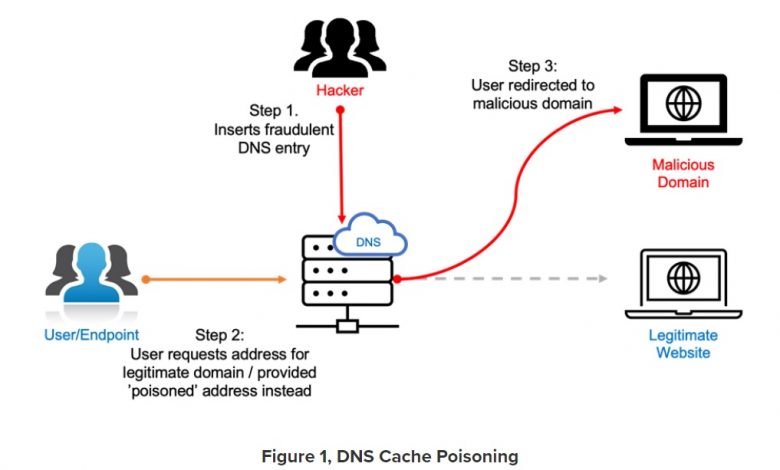
Yay! Another as-yet-unpatched vulnerability. What’s the influence? An attacker can exploit the vulnerability to conduct DNS poisoning or DNS spoofing (in sure circumstances) to redirect the sufferer (router/embedded system) to a malicious area below the attacker’s management moderately than the authentic area infrastructure. DNS cache poisoning has been each a broadly recognized assault and an assault enabler because the ‘90s. So what is DNS cache poisoning?
When a computer or other device requests the IP address for intra/internet destinations from a DNS server, the resolved address is stored in short term cache memory to speed up subsequent queries for the same destination. For instance, suppose you’re the primary particular person in your workplace out of 100 workers on Monday morning. You seize your morning go-juice of selection, fireplace up your laptop, and test Google for the the place you may get the very best worth on one thing you noticed over the weekend. Your laptop requests the upstream DNS servers to offer the present IP tackle for Google, and subsequently, no matter web site you click on on. Now, think about each worker does the identical factor X 100. Your laptop and the DNS server/router retailer the resultant data in native reminiscence in order that when your coworkers additionally search Google for [whatever], the community already has the reply moderately than 100 requests to the web for a similar IP tackle. Network optimization at its most interesting.
However, when this vulnerability is exploited, that domestically cached reply for any/all domains may be ‘poisoned’ such {that a} request for Google’s IP tackle (or any web vacation spot) may in reality be overwritten to level to a malicious area. But wouldn’t you realize instantly? As a person, not essentially. Malicious domains may be set as much as ship extra malware through browser exploits that give them extra entry to your community, or they will conduct man-in-the-middle assaults to intercept all of your web visitors. While attackers is probably not enthusiastic about your procuring habits, think about if you happen to had been visiting your monetary establishment to be sure to have the funds for to purchase that designer espresso desk you discovered. They may intercept your login credentials and steal your cash.
While the potential influence is troublesome to evaluate, whether or not or not it’s to the person or to the group, one factor is for certain: we wish to hold unauthorized menace actors out of our networks. Given the state of many organizational networks, the frequent use of enterprise-grade DNS servers leveraging DNSSEC would render this assault vector largely ineffective. However, many house networks that make the most of SOHO retail router entry factors usually are not as strong, which makes this vulnerability extra impactful. Home networks are very inclined to a litany of assaults, and for the work-from-anywhere (WFA) worker, this introduces extra dangers to organizational methods working on these house networks. Enterprise managers want to make sure they’re leveraging an organizationally configured protecting DNS resolution and logging DNS queries/responses from WFA units.
In abstract, the approach isn’t new and is comparatively simple to thwart: implement DNSSEC on enterprise DNS servers and leverage a protecting DNS resolution to cease decision to malicious domains.
MENAFN10052022003749002651ID1104187271
Legal Disclaimer: MENAFN supplies the knowledge “as is” with out guarantee of any form. We don’t settle for any duty or legal responsibility for the accuracy, content material, photos, movies, licenses, completeness, legality, or reliability of the knowledge contained on this article. If you’ve any complaints or copyright points associated to this text, kindly contact the supplier above.
Source link


![The OpenWrt One system [LWN.net]](https://openwrtrouters.net/wp-content/uploads/2026/09/openwrt-one-sm-250x220.png "The OpenWrt One system [LWN.net]")